

 ច្បាប់និងបទដ្ឋាន
សម័យ សង្គមរាស្ត្រនិយមការងារវប្បធម៌ស្ថិត នៅក្រោម ឱវាទក្រសួងសិក្សាធិការ (ក្រសួងអប់រំ)។
សម័យសាធារណរដ្ឋខ្មែរ ទីស្ដីការក្រសួង ត្រូវបានបង្កើតឡើង ដែលមានទីតាំងស្ថិតនៅក្នុងព្រះបរមរាជវាំង ដឹកនាំដោយ លោក អ៊ុំ សាមុត ជារដ្ឋមន្ត្រី។
សម័យសាធារណរដ្ឋប្រជាមានិតកម្ពុជា ទីស្ដីការក្រសួងត្រូវបានបង្កើតឡើងជាថ្មី ដែលមានឈ្មោះថា ក្រសួងឃោសនាការ វប្បធម៌ និងព័ត៌មាន មានទីតាំងនៅជ្រុងផ្លូវលេខ ១៨០។ ដឹកនាំដោយ សមមិត្ត កែវ ចិន្តា ជារដ្ឋមន្រ្តី។
ចំនួនអ្នកកំពុងទស្សនា 3 នាក់
ចំនួនអ្នកទស្សនា ថ្ងៃនេះ 264050 នាក់
ចំនួនអ្នកទស្សនា ថ្ងៃម្សិល 249173 នាក់
ចំនួនអ្នកទស្សនា សរុប 8985914 នាក់
- សេចក្តីជូនដំណឹងស្តីពីការប្រឡងជ្រើសរើសសិស្ស និស្សិត និងមន្ត្រីរាជការ ចូលបម្រើការងារក្នុងក្របខណ្ឌក្រសួងវប្បធម៌ និងវិចិត្រសិល្បៈឆ្នាំ២០១៩
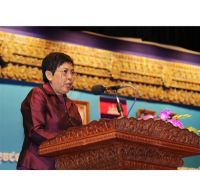
មតិស្វាគមន៍របស់រដ្ឋមន្រ្តី
កម្ពុជា ជាព្រះរាជាណាចក្រមួយដែលសម្បូណ៌ទៅដោយសម្បត្តិធម្មជាតិផង និងស្នាដៃច្នៃប្រឌិតមិនចេះរីងស្ងួតរបស់ប្រជាជាតិនេះផង។ ជាពិសេស សម្បត្តិបេតិកភណ្ឌវប្បធម៌ ពីបុរាណទាំងរូបី និងអរូបី ដែលជាស្នាដៃមិនអាចកាត់ថ្លៃបាន របស់បុព្វបុរសយើងបានបន្សល់ទុកមក។ បណ្តាបេតិកភណ្ឌវប្បធម៌ទាំងនោះរួមមាន ផ្នែករូបី ជាអាថ៌គឺ បណ្តាប្រាសាទ រមណីយដ្ឋានវត្តអារាម ផ្ទះបុរាណ រមណីយដ្ឋានប្រវត្តិសាស្រ្ត ទួលអង្គ...រួមមានរាប់រយរាប់ពាន់ ប្រមាណជិត ៤,០០០ កន្លែង រាយដេរដាសទូទាំងប្រទេស (នេះមិនទាន់គិតដល់ប្រាសាទរាប់សិប ឬរាប់រយផ្សេងទៀតដែលជាអតីតប្រាសាទបុរាណខ្មែរ ស្ថិតនៅក្នុងដែនដីប្រទេសជិតខាងទៀតផង)។
អានបន្ត »-
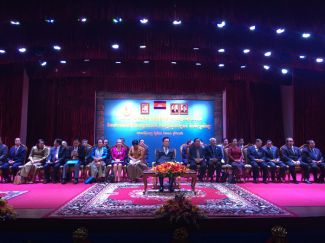
ពិធីបិទសន្និបាតបូកសរុបការងារវប្បធម៌និងវិចិត្រសិល្ប: ឆ្នាំ២០១៥ និងលើកទិសដៅការងារ ឆ្នាំ២០១៦
ពិធីបិទសន្និបាតបូកសរុបការងារវប្បធម៌និងវិចិត្រសិល្ប: ឆ្នាំ២០១៥ និងលើកទិសដៅការងារ ឆ្នាំ២០១៦ របស់ក្រសួងវប្បធម៌និងវិចិត្រសិល្ប: ក្រោមអធិបតីភាព ឯកឧត្តម វ៉ា គឹមហុង ទេសរដ្ឋមន្ត្រីទទួលបន្ទុកបេសកកម្មពិសេស និងជាប្រធានគណ:កម្មការកិច្ចការព្រំដែន>>>>
- »ពិធីបើកសន្និបាតបូកសរុបការងារវប្បធម៌និងវិចិត្រសិល្ប: ឆ្នាំ២០១៥ និងលើកទិសដៅការងារ ឆ្នាំ២០១៦
- »ពិធីចុះហត្ថលេខាលើអនុសារណៈនៃការយោគយល់គ្នា (MOU) រវាងក្រសួងវប្បធម៌និងវិចិត្រសិល្បៈ និង School of Oriental and African Studies (SOAS) នៃសាកលវិទ្យាល័យ London
- ច្រើនទៀត »
-
.JPG)
សិក្ខាសាលាក្រោមប្រធានបទ សុវត្ថិភាពរមណីយដ្ឋានបេតិកភណ្ឌវប្បធម៌
ក្រសួងវប្បធម៌និងវិចិត្រសិល្បៈ បានសហការជាមួយស្ថានទូតអាមេរិកប្រចាំរាជធានីភ្នំពេញរៀបចំសិក្ខាសាលាក្រោមប្រធានបទ“សុវត្ថិភាពរមណីយដ្ឋានបេតិកភណ្ឌវប្បធម៌” ដើម្បីកាត់បន្ថយអំពើចោរកម្ម និងការបាត់បង់សម្បត្តិវប្បធម៌។ សិក្ខាសាលានេះបានប្រារព្ធចំនួន២លើកប្រកបដោយលទ្ធផលផ្លែផ្កា:លើកទី១កាលពីថ្ងៃទី២១ ដល់២៥ ខែធ្នូ ឆ្នាំ២០១៥>>>>
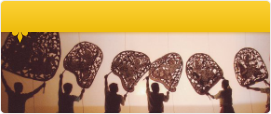
- »ល្ខោនស្រមោលស្បែកធំ
- »តំបន់អង្គរ ចុះក្នុងបញ្ជីបេតិកភណ្ឌពិភពលោក
- ច្រើនទៀត »
-
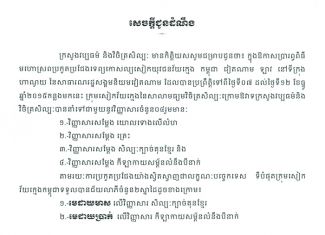
សេចក្តីជូនដំណឹងស្តីអំពីលទ្ធផលនៃការប្រកួតប្រជែងទេព្យកោសល្យសៀកយុវជនវ័យក្មេង កម្ពុជា វៀតណាម ឡាវ នៅទីក្រុងហាណូយ
- »ការចុះ "ល្បែងទាញព្រ័ត្រ" ចូលក្នុងបញ្ជីតំណាងនៃបេតិកភណ្ឌវប្បធម៌អរូបីនៃមនុស្សជាតិ
- »សារៈសំខាន់នៃសិល្បៈកំណាព្យខ្មែរក្នុងការនិពន្ធរឿងល្ខោននាដកម្ម
- ច្រើនទៀត »
-
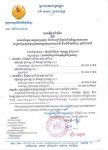
បញ្ជីឈ្មោះបេក្ខជនប្រឡងចូលឆ្នាំ២០១៨
បញ្ជីឈ្មោះបេក្ខជនប្រឡងចូលបម្រើការងារក្នុងក្របខណ្ឌ
ក្រសួងវប្បធម៌ និងវិចិត្រសិល្បៈឆ្នាំ២០១៨
- »សេចក្តីជូនដំណឹងស្តីពីការជ្រើសរើសសិស្ស និស្សិត និងមន្រ្តីរាជការ ចូលបម្រើការងារក្នុងក្របខណ្ឌក្រសួងវប្បធម៌ និងវិចិត្រសិល្បៈសម្រាប់ឆ្នាំ២០១៨
- »សេចក្តីជូនដំណឹងស្តីពីការប្រឡងជ្រើសរើសនិស្សិត និងមន្ត្រីរាជការស៊ីវិល ឲ្យចូលបម្រើការងារ នៅក្នុងក្របខណ្ឌក្រសួងវប្បធម៌ និងវិចិត្រសិល្បៈ សម្រាប់ឆ្នាំ២០១៦
- ច្រើនទៀត »